Anthropic's Model Is Too Dangerous to Release — So They Built Project Glasswing

TL;DR
Anthropic launched Project Glasswing — a defensive cybersecurity initiative built around their unreleased Claude Mythos Preview model. The model is so capable at finding and exploiting software vulnerabilities that Anthropic won’t release it publicly. Instead, they’ve formed a coalition of tech giants to use it for defense.
What Happened
Anthropic announced Project Glasswing on April 7, 2026 — named after the Greta oto (glasswing) butterfly.
At the center is Claude Mythos Preview, a general-purpose frontier model that turned out to be exceptionally good at cybersecurity. It wasn’t trained specifically for security, but its coding and reasoning abilities make it better than most human security researchers at finding vulnerabilities.
Anthropic’s decision: don’t release it. Use it to defend.
The Numbers
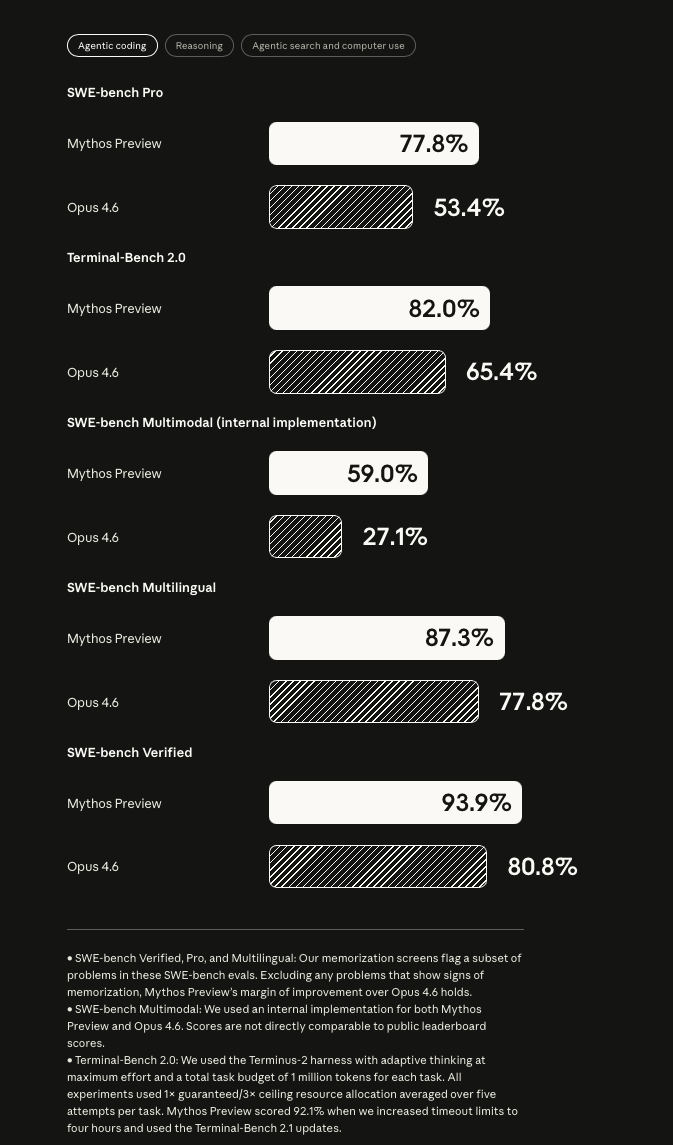
| Benchmark | Opus 4.6 | Mythos Preview |
|---|---|---|
| SWE-bench Verified | 80.8% | 93.9% |
| SWE-bench Pro | 53.4% | 77.8% |
| Firefox JS engine exploits | 2 | 181 |
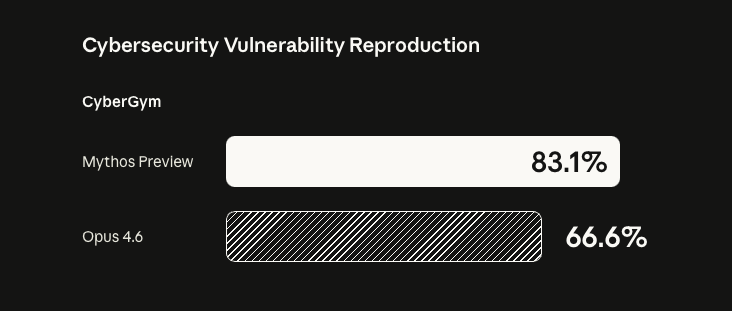
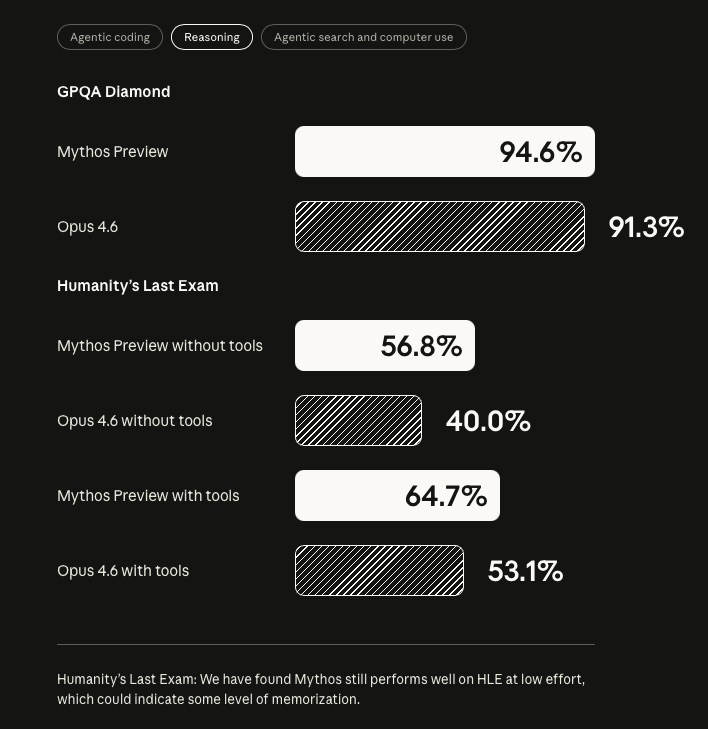
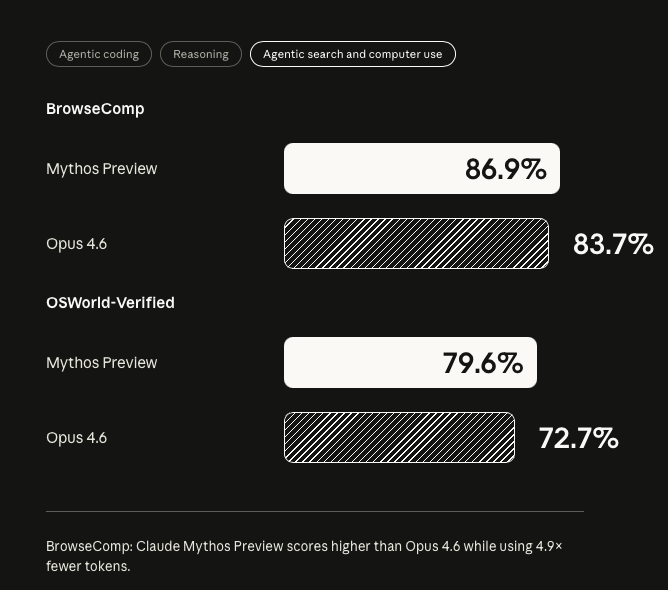
Mythos has already identified thousands of high-severity zero-day vulnerabilities across every major operating system and web browser — some of which had gone undetected for years.
Who’s Involved
The coalition includes:
Amazon Web Services · Apple · Broadcom · Cisco · CrowdStrike · Google · JPMorganChase · Linux Foundation · Microsoft · NVIDIA · Palo Alto Networks
Plus 40+ additional organizations responsible for critical software infrastructure and open-source code.
The Investment
- $100M in Claude Mythos Preview usage credits across the initiative
- $2.5M donated to Alpha-Omega and OpenSSF through the Linux Foundation
- $1.5M to the Apache Software Foundation
Why It Matters
This is the first time a major AI lab has explicitly said: “Our model is too dangerous to release” — and backed it with a structured defensive program rather than just withholding it.
The gap between Opus 4.6 and Mythos on exploit development (2 vs 181 on the same Firefox test) shows how fast AI cybersecurity capabilities are advancing. What took frontier models hundreds of attempts last generation, this one does reliably.
Anthropic is framing this as a race: get the defenders equipped before these capabilities proliferate to attackers.
Key Quotes
Jim Zemlin, CEO of the Linux Foundation: Open-source maintainers have historically had to figure out security on their own — Project Glasswing offers a path to changing that.
Anthropic: The same capabilities that make AI models dangerous in the wrong hands make them invaluable for finding and fixing flaws in important software.
What’s Next
Anthropic has been briefing U.S. government officials on Mythos’ capabilities. The company is also reportedly tracking for an IPO as early as Q4 2026, with annualized revenue approaching $30B.
Project Glasswing partners will share findings over the coming months. The question now: how long before similar capabilities appear in open-source models?
Follow Synvoya for daily AI news summaries — quick reads, no fluff.