Anthropic Launches Claude Managed Agents — Prototype to Production in Days, Not Months
TL;DR
Anthropic released Claude Managed Agents in public beta — a composable API suite that handles sandboxing, orchestration, state management, credentials, and error recovery. Instead of spending months building agent infrastructure, teams can go from prototype to production in days. Notion, Rakuten, Asana, and Sentry are already shipping with it.
What It Does
Building a production AI agent today means solving a long list of infrastructure problems before you write any user-facing code: sandboxed execution, session state, credential management, scoped permissions, error recovery, and end-to-end tracing.
Claude Managed Agents abstracts all of that away. You define the agent — its tasks, tools, guardrails, and permissions — and Anthropic handles the rest.
The core components:
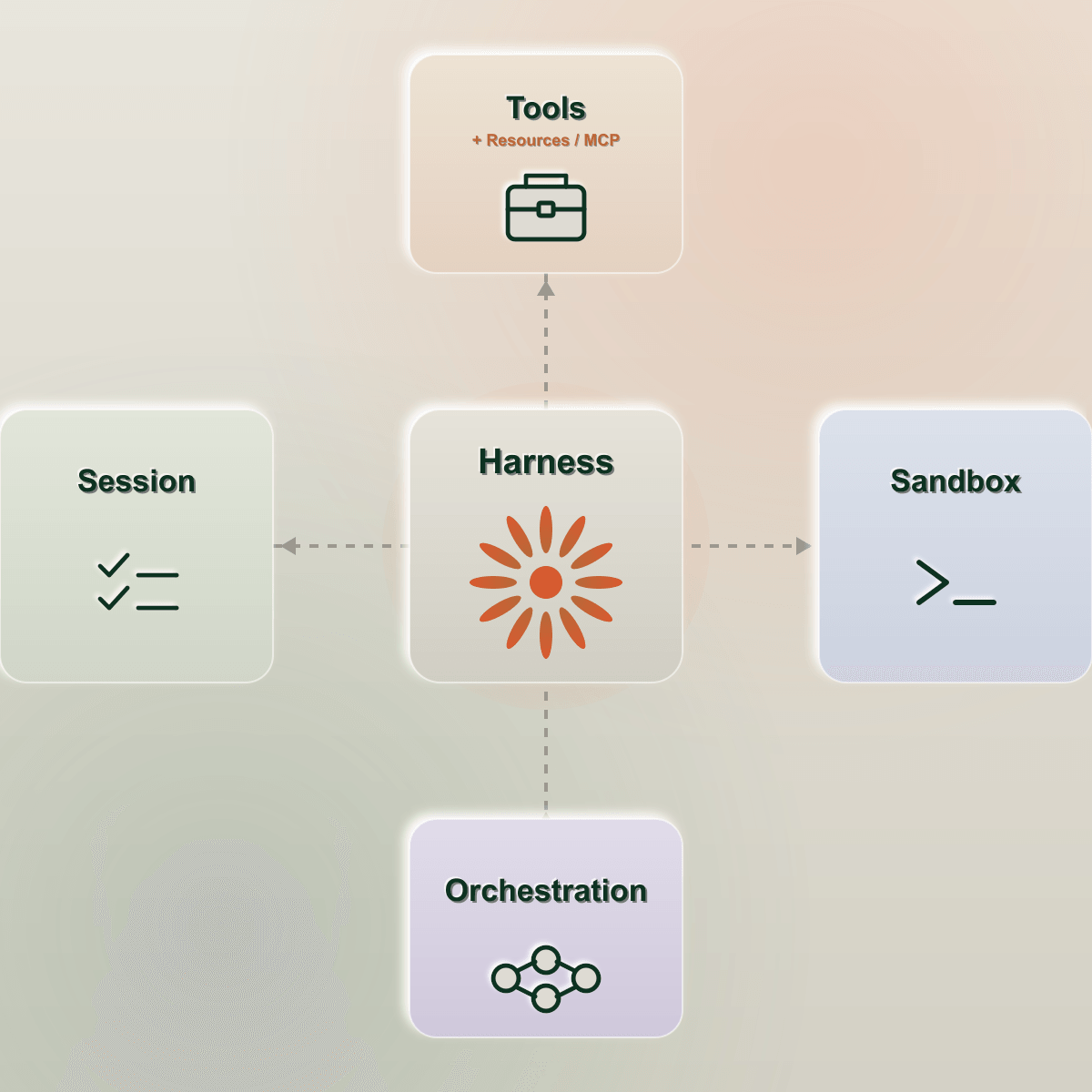
Agent Configuration — Define model, system prompt, tools, MCP servers, and skills. Create once, reference by ID across sessions.
Managed Sandbox — Each agent gets an isolated container with pre-installed packages, network access rules, and mounted files.
Persistent Sessions — Sessions survive disconnections. The agent picks up where it left off.
Multi-Agent Coordination — In research preview: agents can spawn other agents for complex tasks.
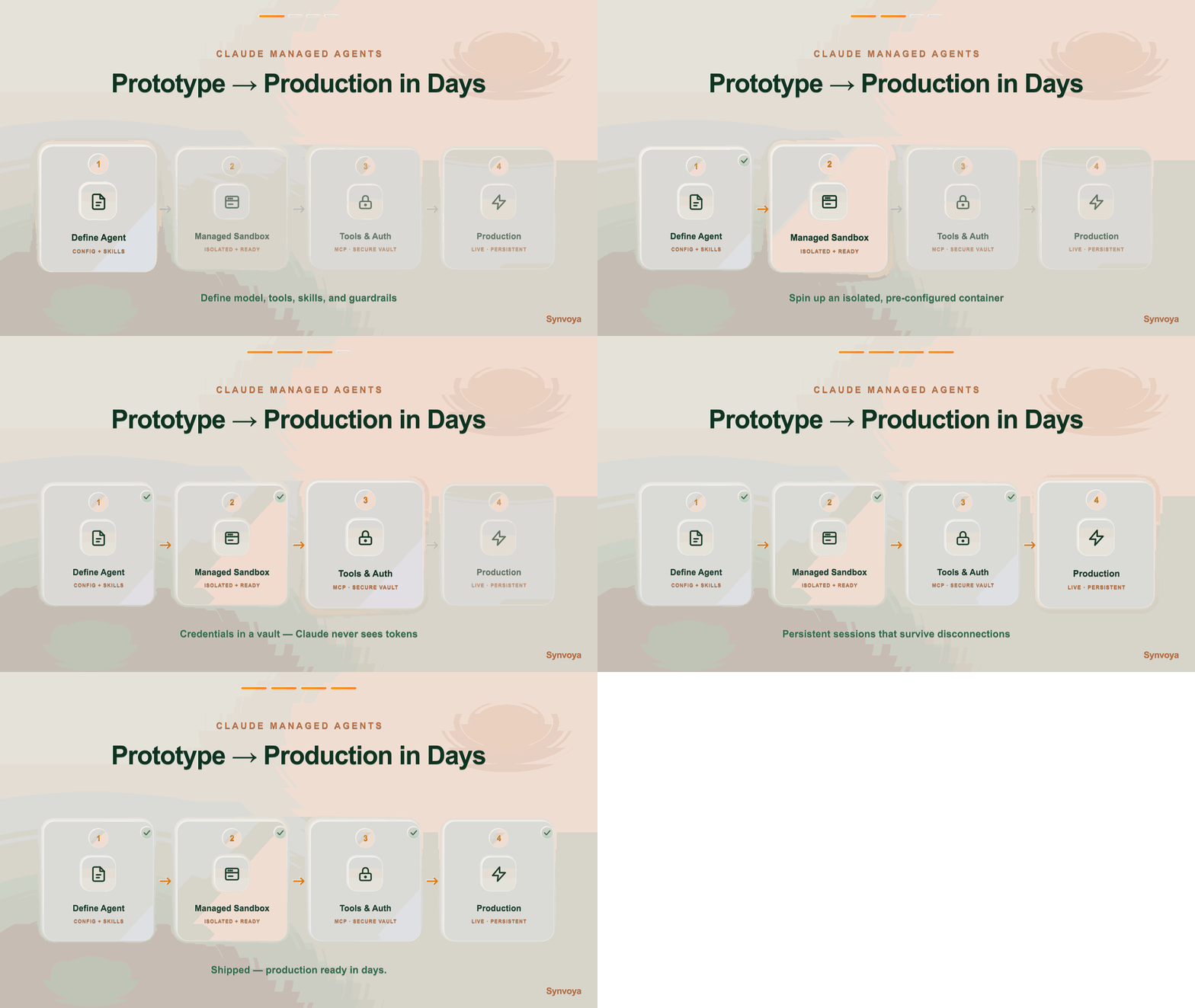
The Flow: Define → Sandbox → Tools & Auth → Production
The Numbers
| Metric | Detail |
|---|---|
| Task success improvement | Up to 10 points vs standard prompting |
| Deployment speed | Days instead of months (10x faster) |
| Runtime pricing | $0.08/session-hour (idle time free) |
| Web search pricing | $10 per 1,000 searches |
| Token pricing | Standard Anthropic API rates |
The 10-point improvement was most significant on the hardest problems — exactly where orchestration matters most.
Who’s Already Using It
Notion — Custom Agents embedded directly in workspaces. Engineers ship code while knowledge workers generate presentations and websites. Handles dozens of parallel tasks.
Rakuten — Stood up enterprise agents across product, sales, marketing, finance, and HR — each deployed within a week. Plugs into Slack and Teams.
Asana — AI Teammates that work alongside humans in project management workflows, picking up tasks and drafting deliverables.
Sentry — Paired their Seer debugging agent with a Claude-powered agent that writes patches and opens pull requests. A flagged bug flows directly to a reviewable fix — shipped in weeks instead of months.
How It Works Under the Hood
Anthropic’s engineering team designed Managed Agents around a key insight: agent harnesses encode assumptions that go stale as models improve. So they built interfaces that stay stable while implementations change underneath.
The architecture separates the “brain” (Claude’s reasoning) from the “hands” (tool execution in sandboxes). Auth tokens are stored in a secure vault outside the sandbox — Claude never handles credentials directly. MCP tools connect through a dedicated proxy.
Sessions are append-only event logs that persist outside Claude’s context window. When context gets long, the system compacts it without losing recoverability.
Why It Matters
This is Anthropic moving from “model provider” to “agent platform.” They’re not just selling API access to Claude — they’re selling the entire infrastructure layer for running agents in production.
The pricing is aggressive: $0.08 per active runtime hour means a complex agent running for 8 hours costs 64 cents in infrastructure (plus token costs). That undercuts most custom-built solutions significantly.
For the open-source community, this raises an interesting question: as enterprise agent platforms get more polished, does the gap between managed and self-hosted widen — or do open-source orchestration tools become more important as an alternative?
Follow Synvoya for daily AI news summaries — quick reads, no fluff.